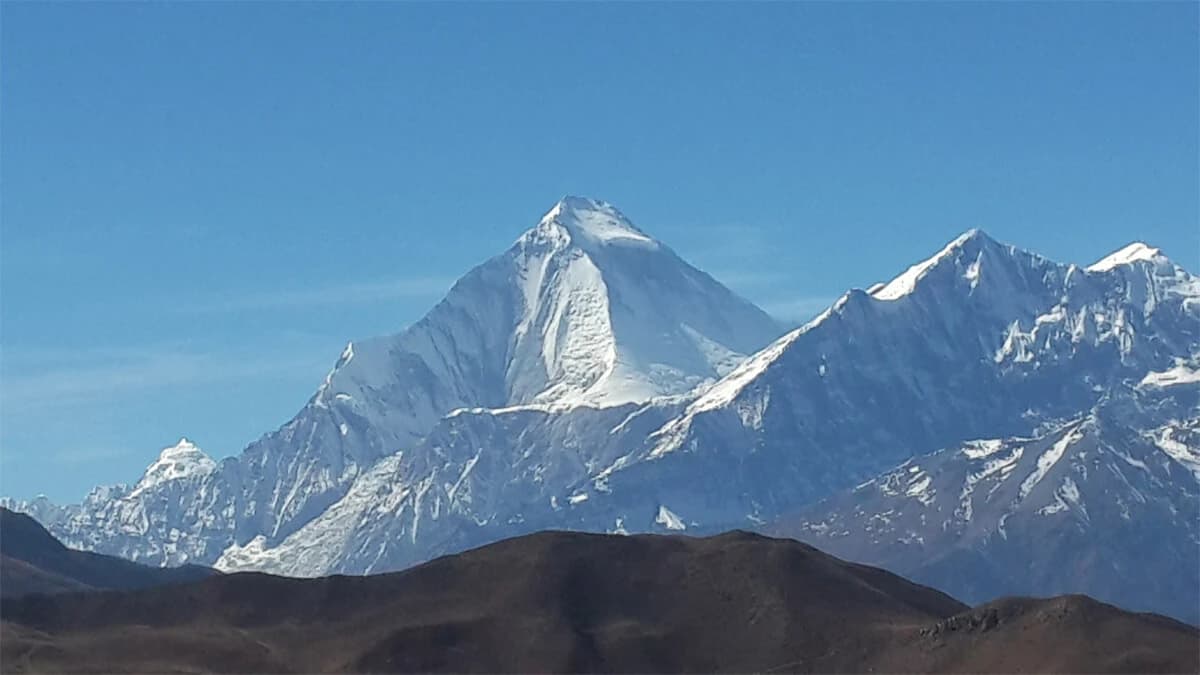
Dhaulagiri Circuit Trek

Dhaulagiri Circuit Trek

Duration18 Days
Trip GradeChallenging
CountryNepal
Maximum Altitude5360 M
Group Size1-12
StartsKathmandu/Pokhara
EndsPokhara/Kathmandu
ActivitiesTrekking/Hiking
Best TimeMarch to May & September to December

Think your daily life is exciting? Wait until you’re trekking in the Dhaulagiri region in Nepal. The Dhaulagiri Circuit Trek is like Mother Nature hosting the ultimate adventure and inviting anyone who loves big mountains, amazing trails, and a bit of fun along the way. You’ll be staring at peaks that look like they were sculpted by the gods and trekking through villages so charming you’ll wonder if time forgot them.

On the Dhaulagiri Circuit Trekking in Nepal, rivers flow past with full energy, cliffs rise high enough to make you feel intimidated, and the sunsets? It almost feels unreal. The locals welcome you with warm smiles, adding a genuine cultural touch to this unforgettable Nepal trekking experience. Even when you are tired, dusty, and catching your breath, the beauty of the Dhaulagiri region and the charm of the mountain villages make every step feel worth it.

The Dhaulagiri Circuit Trek in Nepal is the kind of trek that makes normal life feel very small, very fast. You are out there on remote mountain trails, surrounded by huge landscapes, quiet camps, and views that keep catching you off guard. If you want your adventure to feel a little more raw, a little more real, and a lot more you, this one really delivers.

Dhaulagiri Circuit Trek Overview

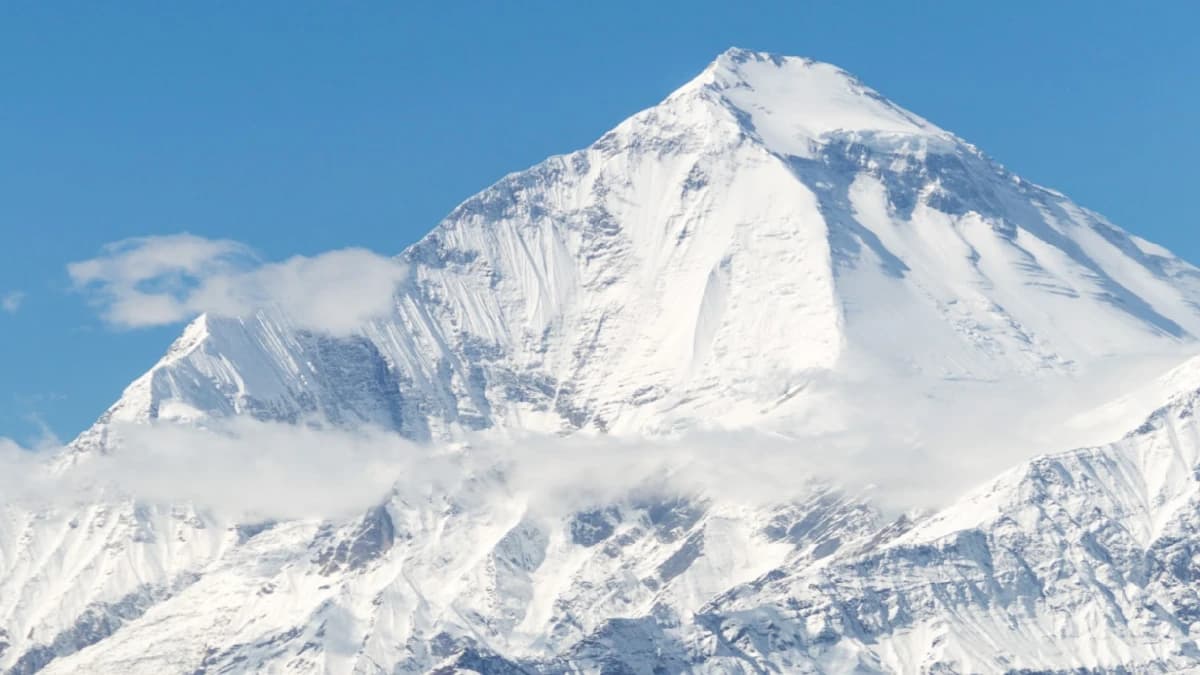
Dhaulagiri Circuit Trek is a challenging trek towards the world’s 7th highest peak, Mt. Dhaulagiri (8,167 m). This trek is also known as Dhaulagiri Base Camp trek or Dhaulagiri Circuit Hiking as well. It takes you as high as the Dhaulagiri North Base Camp (4,750 m).

A little background about Mt. Dhaulagiri is that it was first climbed on 13 May 1960 by Austrian mountaineer Kurt Diemberger along with a team of Austrian, Swiss, and Nepali climbers led by Max Eiselin.

The mountain itself spreads about 124 kilometers between the Kali Gandaki River and the Bheri River, and it is located around 34 kilometers west of Annapurna. Between these two giants is the Kali Gandaki Gorge, known as the world’s deepest gorge, which adds an incredible natural touch to the views along the trek.

Dhaulagiri Circuit Trek follows the trail that passes along the ethnic villages of the Dhaulagiri region. Although people from various ethnic groups reside here, the Magar people’s majority is found.

The Trekking trail up to Dhaulagiri North Base Camp (4,750 m) is challenging as it rises above the normal altitude. But the presence of two high passes above 5,000 m has made this trek more difficult. You have to cross French Pass (5,360 m) and Dhampus Pass/Thapa Pass (5,244 m) while descending to the Annapurna region.

Dhaulagiri Circuit Trek Highlights

  • Less crowded trekking trails
  • Magar ethnic villages and their hospitality
  • Panoramic views of the Himalayas of Annapurna (8,091m) and Dhaulagiri (8,167m) Himalayan Ranges as well as Mt. Manaslu (8,163m)
  • Views of many peaks over 7000m
  • French Pass (5,360 meters) and Dhampus Pass/Thapa Pass (5,244 meters)
  • Beautiful landscapes including the Hidden Valley
  • Experience of a teahouse, homestay, and camping trekking at the same time
  • Scenic flight from Jomsom to Pokhara

Dhaulagiri Round Trek Itinerary

Dhaulagiri Circuit Trek itinerary ranges from 17 days to 25 days. The 17-day itinerary takes you to trails of the Jomsom Muktinath Trek. From Marpha, the Apple Capital of Nepal, you trek to Jomsom. You fly to Pokhara from Jomsom in just 25 minutes by enjoying the aerial view of the Annapurna and Dhaulagiri regions.

However, if you want to extend it to 25 days, you avoid trekking to Jomsom. Instead, of the Jomsom trek, you divert to Kalopani from Marpha Village. Then, you make the Annapurna Sunrise View Trek and Ghorepani Ghandruk Trek. And finally, you trek to Nayapul and drive to Pokhara.

How Costly is Dhaulagiri Circuit Trek?

Dhaulagiri Circuit Trek is a newly openedoff-beat trek in Nepal leading towards the world’s 7th highest mountain. The Dhaulagiri Circuit trek itinerary ranges from 17 days to 25 days.

You know, the cost of a Nepal tour or Nepal trek package depends upon many factors. Nepal Trekking itinerary, number of guides and porters, services of food and accommodation, and mode of transportation.

If you fly from Kathmandu to Pokhara, the Dhaulagiri circuit trek cost is different while if you drive there, it costs something different. Similarly, if you hire a private jeep, it costs more than traveling on a local bus.

The cost of 17 days is different from that of 25 days. Likewise, If you trek to Jomsom from Marpha Village, the air ticket cost is higher. Similarly, if you connect it to the Annapurna Sunrise View trek and Ghorepani Ghandruk trek, you have to pay different costs.

We are always ready to provide you with the best Dhaulagiri Circuit Trek package at the most reasonable cost which is USD 1890. Contact us via email, phone calls, WhatsApp, or online portal. Visit the Nepal Trekking Routes website for more info.

Best Dhaulagiri Circuit Trek Packages 

If you are looking at Dhaulagiri Circuit trek packages, you will usually find different options based on budget, level of service, and trekking style. Some trekkers prefer budget Dhaulagiri Circuit trek packages, which usually include the main essentials like permits, guide support, meals, camping equipment, and transport. These are a practical choice for people who want to keep the trip more affordable while still having the important arrangements taken care of.

Standard Dhaulagiri Circuit trek packages are often the most chosen option because they offer a more balanced experience with better planning, porter support, acclimatization days, and a smoother overall itinerary in the mountains.

For trekkers who want more comfort and stronger support, there are also premium Dhaulagiri Circuit trek packages and even luxury trekking packages in Nepal designed for a more complete experience. These packages often focus on better logistics, a more flexible Dhaulagiri Circuit trek itinerary, improved camping arrangements, and a well managed support team throughout the route.

When comparing different options, many travelers also look at the Dhaulagiri Circuit trek cost, trip duration, meals, transport, permits, and the quality of guide and porter services in Nepal. Choosing the right package usually comes down to finding one that feels well organized, comfortable, and suitable for the kind of adventure you want. So you're free to make your choices and let us know, so that we can get started with your dream trek in Nepal.

Permits for the Dhaulagiri Circuit Trek

Before you start the Dhaulagiri Circuit trek, you need a couple of important permits. First is the Annapurna Conservation Area Permit or ACAP. This is required because the trek passes through the protected Annapurna and Dhaulagiri region. It costs around 3000 Nepali rupees for most foreign trekkers and can be obtained in Kathmandu or Pokhara or at main trail entry points.

The second is the TIMS card, which stands for Trekkers’ Information Management System. It registers you as a legal trekker and keeps you safe on the trail. If you are traveling with us, we usually handle both ACAP and TIMS for you, which makes things easy.

Just make sure to carry these permits with you while trekking. Checkpoints along the Dhaulagiri Circuit will ask to see them. 

Is a restricted permit required for the Dhaulagiri Circuit trek?

We get it, there is a lot of confusion online about permits for the Dhaulagiri Circuit trek. Some people worry you need a restricted permit like in Upper Mustang or Manaslu. But the good news is, you do not. All you need are the Annapurna Conservation Area Permit (ACAP) and the TIMS card. So if anyone tells you that you need the Restricted Area Trek permit for the Dhaulagiri Circuit Trek, make sure to correct them. You only need two main permits as mentioned above and then you can legally complete the Dhaulagiri Trek.

Round Dhaulagiri Trek Map

Talking about the Dhaulagiri Circuit Trek Map, you begin from Beni, the gateway to the Guerrilla Trek or Upper Mustang Trek. You can directly travel to Beni from Kathmandu in a private vehicle or a local bus. Or, you can even fly to Pokhara and then drive there.

From Beni, you cross Darbang, Dharapani, Muri, Bagar and Dobhan Kharka. Moving ahead across Chariban Camp, you pass by the Italian Base CampJapanese Base Camp, and then Dhaulagiri North Base Camp. From here, you ascend to the Hidden Valley via French Pass (5,360 m). Enjoying the view of the stunning peak of Annapurna and Dhaulagiri Himalayan Ranges, you climb down to Yak Kharka via Dhampus Pass/Thapa Pass (5,244 m).

From these passes, you can enjoy the Himalayas as far as Mt Manaslu (8,163 m). Then, from Yak Kharka, you walk along the Kali Gandaki River Valley. By crossing Marpha, the Apple Capital of Nepal, you reach Jomsom. After spending a night at Jomsom, you fly back to Pokhara and then return to Kathmandu. You can extend a day or two to do the Muktinath trek from Jomsom and to explore the most touristic places of Lake City Pokhara.

Major Attractions along the Dhaulagiri Circuit Trek in Nepal

If you take the Dhaulagiri Circuit Trek in Nepal, you are going to experience the mountains in a way most people never do. The trail passes through Magar villages where locals live in traditional stone houses and work on terraced fields. You will also see Gurung and Thakali communities, and if you stop at a teahouse, you can see how daily life goes in these remote Himalayan villages.

The views are unforgettable. You get to see Mt. Dhaulagiri, Nilgiri, and Annapurna peaks from different spots along the trek, and the Kali Gandaki Gorge, one of the world’s deepest gorges, makes the landscape even more dramatic. Along the trail, there are rivers, waterfalls, and alpine meadows that give you small moments to just sit and enjoy the mountains.

The real kicker is French Pass and Thapa Pass. Crossing them is a workout, but the views of glaciers, snowfields, and jagged ridges make you forget your tired legs. Along the way, the trail itself is interesting, used by locals for generations, with little teahouses where you can rest, and the flora and occasional animals make the trek feel alive.

Who is the Dhaulagiri Circuit Trek best suited for?

 If you enjoy waking up to mountains that look way bigger than they should, sipping tea in tiny villages, and discovering how slow your legs suddenly get above 4,000 meters, this trek is for you. You need some fitness, a bit of patience, and zero shame in taking a million breaks. It’s not for someone looking for an easy stroll, but for anyone ready to feel like a real Himalayan adventurer, it’s pure magic.

Why You Should Choose Nepal Trekking Routes for Your Dhaulagiri Circuit Trek

If you want a trek that feels real and personal, Nepal Trekking Routes is the team to go with. We are a local company, so we know the trails, the villages, and all the little things that make a trek smooth and safe. You can change your Dhaulagiri Circuit trek however you like, add extra stops, or customize it to match your pace. We care about giving you value for every rupee, making sure your guide and porter support is solid, and keeping you safe while still enjoying the adventure. 

Itinerary

This is an 18-day trek from Kathmandu to Jomsom on the Dhaulagiri Circuit. You walk through beautiful and very hospitable villages, cross some high passes, and see huge mountains all around.

The main sights are French Pass, Hidden Valley, and Dhaulagiri Base Camp. You also get to enjoy small villages and the local way of life along the way.

You can change the plan however you want through Nepal Trekking Routes. Take extra rest days, add a side trip, or slow down your pace. It’s your trek, so make it work for you.

Trip PlanExpand All

Our member staffs welcomes you to Nepal at the Tribhuvan International Airport. Then, he takes you to the hotel. You can take a round of Thamel, the busiest touristic place of Kathmandu.

The tour guide takes you for Kathmandu tour. You will visit the most important landmarks recorded in the World Heritage Lists. Patan Durbar Square, Pashupatinath Temple, the Monkey Temple and Bouddhanath Stupa will be visited.

When you return to the hotel, the team leader shares the important information about Round Dhaulagiri Trek itinerary.

It is possible to drive to Beni from Pokhara after a Kathmandu-Pokhara flight. It takes nearly 25 minutes to reach Pokhara and then 2 hours drive to Beni.

However, you begin to travel early in the morning in a private jeep or a local bus. By crossing Muglin and Pokhara including many other business hubs, you reach Beni in about 9 hours.

Beni is the gateway to Upper Dolpo trek and a transit to Jomsom trek. From here, you will have the jaw-dropping vistas of Annapurna (8,091m) and green hills all around.

You will drive along the off-road to reach Darbang from Beni. You will go across some villages like Baguwa, Tatopani and Babiyachaur. You formally begin the trek from Darbang, a village populated by the Magar ethnic community.

By walking past the terraced farmlands, Shahashradhara Villge and the Duk Khola, you reach Ratorunga Village. From here, you follow the rocky track along a narrow valley, you reach Dharapani.

The trail today leads you higher to a ridge and then Sibang and Mattim villages. Moving ahead through the Gatti Khola, you reach Phalai Gaun (1,850m). Then, crossing the Dhara Khla and the Myagdi Khola, you reach Muri. Muri is a typically Magar village where you can observe their lifestyle, culture and tradition.

You move along the terraced fields by enjoying the amazing view of Mt. Ghustung South (6,465m). Then, following the west bank of the Myagdi Khola, you cross Naura Village and ascend to a cliff. Further descending through the forests and terraced fields, you reach Bagar.

In the beginning, you go along the terraced fields and forests to Jyardan, which is the remotest settlement area of this region. Then, you move through the windy trails across Lipshe Village. Hereafter, the trail runs through Lepche Kharka and ends at Dobhan Kharka.

After breakfast, you move further along Dhaulagiri Sanctuary by listening to the birds’ chirping. Enjoying the scenery of Mt. Dhaulagiri, you continue along the banks of the Myagdi Khola. Then after, you go across a wooden bridge and then Chartare Village. Finally, crossing a dense forests, you reach Chariban Camp.

Today, you start going along the moraine of the Chhonbarban Glacier enjoying the alluring view of Tukeche Peak (6,837m) and Mt. Dhaulagiri (8,167m). Moving a little further across pine, birch, oak and rhododendron forests, you reach Italian Base Camp. From here, you will witness the enchanting view of Dhaulagiri II (7751m), Dhaulagiri III (7715 m) and Dhaulagiri V (7618 m).

As you are going to climb higher than 4,000m, it is necessary to get a spare day for adjustment with the high altitude. This day is to prepare yourself to climb to the base camp of Mt. Dhaulagiri via Japanese Base Camp. For this purpose, you can hike around the Italian Base Camp to keep you physically fit and psychologically high spirited.

This is yet another adventurous day as you may need the help of the ropes to cross the gorges. The scenery of the green hills and snowcapped peaks makes this challenging trip far easier. Finally, you reach Japanese Base Camp to end up the walk for the day.

You begin today’s journey quite early as you are going to reach the final destination of Dhaulagiri Sanctuary trek. As the trail is slippery, you should walk very carefully. By enjoying the smiling peaks of Dhaulagiri Massif, you move further ahead.

You should cover the distance by taking enough rest to avoid AMS. By witnessing the mesmerizing sight of Tukuche Peak, Dhaulagiri II (7751m), Dhaulagiri III (7715 m) and Dhaulagiri V (7618 m), you reach the base camp after 7 hours.

From here, you will have the wonderful view of the Himalayas, lush valleys and high altitude village of Dhaulagiri region. Spend the day by observing the icefalls, glaciers and snowcapped peaks.

Today is another special day as you are going to cross the highest point of the entire Round Dhaulagiri trek. As the trail is challenging and slippery, you have to use ropes in some sections to reach French Pass (5,360m).

Once you are on the top, you will have the astounding view of Tukuche Peak, Tashi Kang (6,386m), Mukut Himal (5,970m), Sita Chuchura (6,611m), Mt. Annapurna and Mt. Manaslu (8,163m) and Dhaulagiri massif. After taking a pause to enjoy the view from the 5,000m plus pass, you descend towards Hidden Valley. The trail now is comparatively easy to reach this valley.

As Hidden Valley lies in the shadow of Mt. Dhaulagiri, you can see sparse vegetation and tundra vegetation. The valley surrounded by the soaring peaks from all directions, lies on the way to Dhampus Peak climbing. You might see some herds of blue sheep as it is the home for them.

After breakfast, you begin to descend towards Yak Kharka from Hidden Valley. Following the steep downhill trail, you go across Dhampus Pass, also known as Thapa Pass (5,244m). You might need to use crampons to cross this high pass.

On the way, you will enjoy the breathtaking view of Tukuche Peak, Dhampus Peak (6,012m), Mt. Nilgiri, Mt. Annapurna, Mt. Manaslu (8,163m) and Dhaulagiri Massif.

Today’s travel starts after having breakfast. The trail guides you further along the Kali Gandaki River Valley along Marpha Village. Marpha is also called the Capital of Apple in Nepal. You can see a large plot of apple orchards. There is also a distillery to produce the liquor brand of apples “Marpha.”

Moving ahead, you reach Jomsom by having the glimpses of Mt. Dhaulagiri and Mt. Nilgiri. Here, you can celebrate the successful accomplishment of Round Dhaulagiri trek with your team members.

After having breakfast, you will fly to Pokhara from Jomsom. During the 25-minutes-flight, you can have the aerial panorama of Mt. Annapurna, Mt. Dhaulagiri and distant view of Manaslu (8,163m) region as well.

You will either fly or drive back to Kathmandu from Pokhara. After you arrive in Kathmandu, you can visit the remaining places. In the evening, you will be called for farewell dinner. You will really enjoy the Nepali cuisine and cultural performances at the restaurant.

The crewmember of NTR escorts you up to the Kathmandu Airport for your final departure.

Plan An Amazing Private and Tailor-Made HolidaysNot satisficed with this itinerary? Share your idea with our travel Expert. We make your dream come true.
Customize Trip
Cost Details
Includes
  • Airport pick up and drop off service
  • Trekking Guide and Trekking Porter (Porter can carry maximum 25 kg) Two Traveler have one porter.
  • Brearkfast, Lunch, Dinner & (Camping+Tea House) Accommodation During the Trek
  • Three star Hotel accommodation (Two Night in Kathmandu and 2 Night Pokhara)
  • Trekking Permit (National Park Entry Permit)
  • TIMS(Trekking Informational Managment System) Card
  • Kathmandu Heritage Tour Guide and Transport
  • Kathmandu To Pokhara and Pokhara to Kathmandu Tourist bus service
  • Insurance and equipment for the trekking staffs
  • First aid kit
  • Arrangement of Emergency Helicopter service which will be paid by your Travel Insurance Company.
Excludes
  • Personal expenses and Travel insurance
  • Heritage entry fee during the sightseeing Kathmandu & Pokhara
  • Drinks, beverages, hot shower, extra accommodation in Kathmandu
  • Round trip flight fare for Kathmandu-Pokhara-Kathmandu
  • Tips for guide
  • Extra Meals & hotel accommodation in Kathmandu other than mentioned in Itinerary
Essential Information

Best Season for the Dhaulagiri Circuit Trek 

Choosing when to do the Dhaulagiri Circuit Trek can completely change your experience. The mountains don’t wait for anyone, and neither do the weather and trail conditions. Picking the right time means you get clear views, safe paths, and a trek that feels fun instead of frustrating.

Dhaulagiri Circuit Trek in Spring

Spring brings life back to the mountains. The hills turn green and flowers start appearing along the trails. Temperatures are comfortable, so you can walk without getting too hot or too cold. The days feel bright, and every turn on the trail gives you a fresh reason to keep moving forward.

Dhaulagiri Circuit Trek in Autumn

Autumn is the season for seeing the mountains in their best mood. The rain has passed, trails are easier to walk on, and the sky is usually open enough to get great views of the peaks. Villages along the way feel lively, and it’s a great time to experience local life while trekking in Nepal.

Dhaulagiri Circuit Trek in Summer

Summer is green and full of surprises. Occasional showers make the rivers run faster and the forests look full of energy. Trails may be a bit slippery in some spots, but the quiet mornings and fewer trekkers give you more space to enjoy the trail and the villages along the way.

Dhaulagiri Circuit Trek in Winter

Winter is cold at higher altitudes, but the mountains look strong and impressive. The paths may have patches of snow, and mornings can be chilly, but fewer trekkers mean you get more peaceful stretches and more space to enjoy the mountains in their natural state.

Accommodations on the trail of Dhaulagiri Circuit Trek 

Dhaulagiri Circuit Trek is a combination of teahouse, homestay, and camping trek in Nepal. It is best for going camping trekking as there are not many teahouses on the route. For camping trekking in Nepal, you should hire a crew having a team leader, a cook, a waiter, a guide, and a porter. On this trip, you will spend the night at a tented camp while food is prepared by the cook of the crew. You won’t have choices for food items from a large variety of menus.

Similarly, the teahouses and homestays also provide basic facilities for food and accommodation. Due to the lack of proper transportation facilities, people of this region cannot bring many foodstuffs from outside. Next, the land topography is not very supportive of crops and vegetable production.

However, you will get to choose the food items of your appetite until Beni and from Yak Kharka. In the rest of the treks, people provide you with basic facilities due to the lack of commercialization as well. The simple-minded people provide the best hospitality to the people.

Food Items on the Dhaulagiri Circuit Trek in Nepal 

On the Dhaulagiri Circuit Trek, meals are surprisingly satisfying. Mornings usually start with a bowl of porridge, eggs, or Tibetan bread with tea while the mountains slowly wake up. Around noon you stop at a teahouse for momo, noodles, fried rice, or dal bhat and take a moment to rest and look at the trail ahead. By evening a warm plate of dal bhat or vegetable curry feels amazing after hours of walking and gives you energy for the next day.

A real moment happens when you step into a small teahouse, sit down on a wooden bench, and smell the food cooking before you even order. You take a slow bite while watching clouds move across the mountains. It is simple, practical, and makes the trek feel alive and memorable.

Difficulty of Dhaulagiri Round Trek 

The Dhaulagiri Circuit Trek in Nepal is no joke. You will be walking for hours every day, climbing steep trails, stepping over rocks, and sometimes trying not to trip on uneven paths. The highest point, French Pass at 5,360 meters, is where altitude can hit you hard if you are not careful. The weather does not wait for anyone either, with cold nights, strong winds, or even a bit of snow showing up without warning.

This trek will test your stamina. You need a decent level of fitness and some experience with multi day hikes in Nepal. Carrying your backpack, climbing uphill, and coming down steep sections will push your limits. You have to drink water, take breaks when your legs scream, and pay attention to your body, especially at high altitudes. Ignoring that can be risky.

It is tough, but every step feels earned. Tiny villages, remote trekking trails, and mountains that feel impossibly big make it worth it. If you pace yourself and respect the trail, the Dhaulagiri region trek gives an adventure that hits differently than any regular hike. You leave tired, sore, and smiling, and that is exactly why people keep coming back.

Travel Insurance for the Dhaulagiri Circuit Trek

Travel insurance is not optional on the Dhaulagiri Circuit Trek. This is not a walk in the park. You are hiking in remote mountains at high altitude and accidents, altitude sickness, or sudden illness can happen. If you slip, twist an ankle, or find your lungs screaming above 5,000 meters, a helicopter ride might be your only option and trust us, it will cost more than your whole trip if you are not covered.

Get insurance that actually works for high-altitude trekking. It should cover emergency medical treatment, hospital costs, helicopter evacuation in Nepal, and go up at least to 5,500 meters. Don’t assume your normal travel policy has your back. You do not want to be halfway up French Pass, gasping for air, and realize your insurance says “nope.”

Insurance is not a luxury here, it is what keeps you calm when things go sideways. Knowing someone will actually get you help if needed makes the trek less stressful and lets you focus on the mountains instead of worrying about any “what if.”

Altitude Sickness and Remedies during the Trek

Walking higher on the Dhaulagiri Circuit Trek can hit you out of nowhere. One minute you are joking with your trekking buddy, the next your head feels heavy, your chest is working harder than it should, and even a small step feels like climbing a wall. You might feel dizzy, and suddenly that easy looking path feels impossible.

The only way through is to slow down and actually listen to your body. Take breaks, sip water constantly, and don’t feel ashamed to stop or even step back if you need to. Some mornings it will feel like your legs forgot how to move and every breath takes effort. That is your body telling you it needs more time.

The weird thing about altitude sickness is it can be random. You might feel fine all day and suddenly struggle on a tiny uphill. Laugh at it if you can, rest when you must, and don’t pretend you are tougher than you are. The mountains will still be there tomorrow. It is frustrating, exhausting, and a little humbling, but surviving it is part of what makes the trek unforgettable.

What to Pack for the Dhaulagiri Circuit Trek

Going on the Dhaulagiri Circuit trek? First thing, do not even think about packing everything you own. You will be carrying that backpack for hours every day, and a heavy bag will make the trek miserable. Grab a pack that fits well and does not hurt your back.

Layers are your best friend out here. Bring a warm jacket, a fleece, thermal tops and bottoms, trekking pants, quick-dry t-shirts, gloves, a warm hat, and extra socks. Nothing kills the fun faster than frozen toes on a long day.

Your boots are everything. Make sure your trekking boots are solid and broken in before you go. Pack some sandals or light shoes for camp at night. They feel like heaven after walking all day.

You will also want a sleeping bag that keeps you warm on freezing nights, a headlamp for late night bathroom trips, sunglasses, sunscreen, a water bottle, trekking poles, and a small first aid kit. A towel, toiletries, and some snacks are lifesavers. Pack smart, keep it simple, stay warm, and you will enjoy every bit of the mountains instead of stressing about your bag.

How to Prepare Physically Before the Trek

Let’s be honest. The Dhaulagiri Circuit trek is tough. If you think a few short walks will be enough, you will struggle. Your legs, knees, and lungs will get tested every day. Start walking more and carry a backpack with some weight to get your body used to it. Go up hills, stairs, or trails to make your legs and lungs stronger. Cardio like running, cycling, or swimming will help your stamina for long days at high altitude.

Your muscles matter too. Core and leg strength are important because the trails are rocky and steep. Squats, lunges, and planks can save your knees and back. Strong ankles help prevent twists on uneven paths. Altitude will hit you no matter what, but being fit makes it easier to handle the breathlessness, headaches, and fatigue. Train properly and your trek will be more enjoyable.

How to Manage Money on the Dhaulagiri Circuit Trek

Money on the Dhaulagiri Circuit trek is not as scary as it sounds if you plan a little. Most of the big expenses like permits, guide and porter fees, and campsite costs are usually taken care of so the cash you need is mostly for snacks, hot tea, small souvenirs, and a little emergency money.

Nepali rupees are the best to carry because not all teahouses accept cards and even if they do it can be tricky up high. Always keep some small notes for tips and little purchases and put your money in a waterproof pouch close to you because losing cash or cards on the trail is the worst. If you budget a bit you can relax and enjoy the trek very easily.

Safety Measures during the Dhaulagiri Circuit Trek 

The Dhaulagiri Circuit is beautiful but the trails can be tricky. Staying safe makes the trek more fun and less stressful. Here are some easy tips to keep in mind while you walk.

  • Always walk at your own pace and listen to your body, especially at high altitude.
  • Take regular breaks and stay hydrated. Water is more important than you think.
  • Keep your backpack balanced and not too heavy to avoid knee or back problems.
  • Wear sturdy boots with good grip to prevent slipping on rocky or icy sections.
  • Use trekking poles if you have them; they make steep climbs and descents much easier.
  • Layer your clothes so you can adjust to cold mornings, warm afternoons, and windy nights.
  • Keep your sleeping bag dry and warm; nights can get very cold.
  • Follow your guide’s advice on acclimatization and altitude sickness. Never ignore headaches or nausea.
  • Always carry a small first aid kit with basics like bandages, painkillers, and blister pads.
  • Let someone know where you are if you go ahead of the group or explore around camps.
  • Protect yourself from the sun with sunglasses, sunscreen, and a hat even if it feels cold.
  • Eat well and keep energy snacks handy for long days.
  • Respect the weather and be ready to turn back if conditions get dangerous.
FAQs

Mt. Dhaulagiri (8,167m) lies about 34 km west of Mt. Annapurna (8,091m). You begin this trek from Beni, the gateway to Guerrilla trek and Upper Dolpo trek. Dhaulagiri North Base Camp is 4,750m high.

You need TIMS Card and ACAP permits to do Round Dhaulagiri Trek. Both the permits are issued by Nepal Tourism Board Offices in Kathmandu and Pokhara. TIMS Card cost is USD 10 and ACAP Entry Permit cost is USD 30 plus 13% VAT.

The altitude you gain, condition of the trekking trails, lack of teahouses on the route and presence of two passes above 5,000m make Round Dhaulagiri trek difficult

Yes, you can do Round Dhaulagiri trek solo as there is not any restricted area in it. But, it is a moderate to difficult trekking in Nepal. Therefore, we recommend you to book this trip via a local tour operator, which provides you a professional guide.

Round Dhaulagiri trek takes you to the north base camp (4,750m) of Mount Dhaulagiri (8,167m). On the other hand,  Dhaulagiri Sanctuary trek takes you to the south base camp (4,055m) of Mt. Dhaulagiri.

Yes, you can do Dhaulagiri Base Camp Helicopter tour without landing. There is not any airstrip at the base camp, so, you cannot land there.

Honestly, the best time is October to December or March to May. The skies are clear, the mountains look incredible, and the trails are in decent shape. Monsoon months can get really muddy and slippery, and winter is freezing up on the high passes. If you want good views and a smooth trek, stick to these months.

Yeah, it’s definitely challenging. Some days are long, the climbs can get steep, and the high passes will push you. You need to be reasonably fit. Take breaks when your body tells you to, drink plenty of water, and don’t ignore dizziness or nausea. The acclimatization day is a lifesaver, so use it.

We would say yes. The trails can be confusing in some spots. A guide keeps you on track and safe, and a porter carrying your heavy bag is a total game changer. Your legs will thank you.

Absolutely. You can take extra rest days, slow down on tough sections, or add a side trip like Muktinath. Make the trek your own and enjoy it at your own pace. Just let us know, and we will make the trek according to you 

It can get very cold, especially at high camps and passes. A good sleeping bag, warm clothes, gloves, and a hat are a must. Even in the day it can be chilly above 4000 meters.

Stop and rest immediately. Drink plenty of water and let your guide know. Going up too fast is dangerous, so do not push yourself. Sometimes descending a little is the only safe option.

Warm layers, trekking boots, gloves, hat, sleeping bag, water bottle, and sunglasses are essentials. A few snacks and a small first aid kit are also useful. Anything extra is optional and just adds weight.

20 years of Adventure
Why Travel with Nepal Trekking Routes?
We Care for Your Safety
Nepal Trekking Routes always focus on safety, and satisfaction of our valued clients. Our Trekking guides are highly experienced and trained to operate various group trekking trip in high Himalaya.
Provide Financial Protection
NTR prioritize healthy financial safety for clients, ensuring proactive safeguarding of client interest. Our commitment strengthens our role as trusted partners maintaining standards with dedication and Excellence.
100% Local Guide
100% Local Guide
Traveler looking for experience authentic insights through trekking in Nepal NTE offer your 100% local guide who help you to experience unique perspective ensuring and enriched journey customize to your interest.
Personalized Service
We always provide one guide and one porter to two guests in order to meet our standard of providing standard service. Impeccable hospitality and quality services are guaranteed while traveling with us.
Know More
You May Also Like
Annapurna Circuit Trek
FromUS$1005US$1550
Manaslu Circuit Trek
FromUS$950US$1520
Upper Dolpo Trek
FromUS$3750US$4500
Book Now