Everest base camp trek

Everest Base Camp Trek

Adventure Awaits: Join the Ultimate Everest Base Camp Trek
Duration15 Days
Trip GradeChallenging
CountryNepal
Maximum Altitude5368 M
Group Size1-12
StartsKathmandu
EndsKathmandu
ActivitiesTrekking/Hiking
Best TimeMarch to May, September to December

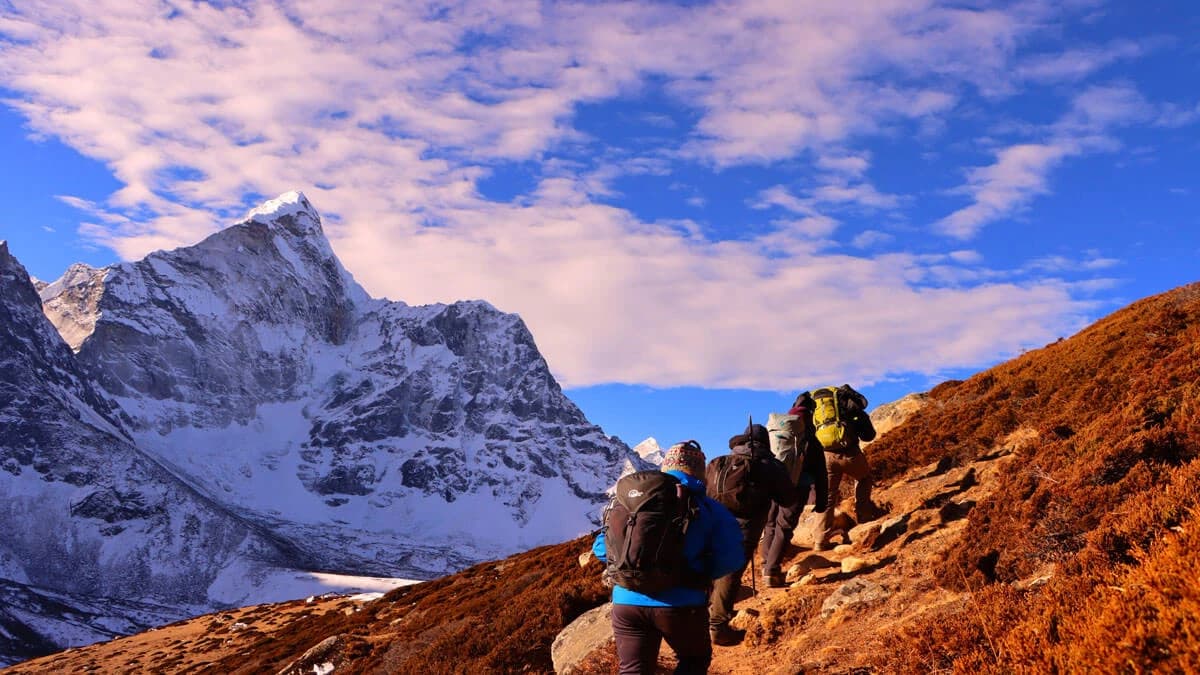
There might be many trekking routes in Nepal but nothing can replace the OG Everest Base Camp trek. You know what? From the moment you fly into Lukla, the adventure hits you. The trail twists through hidden valleys where prayer flags peek out from unexpected corners and the mountains feel like they are watching you the whole way. Yaks shuffle past carrying heavy loads (which is very intriguing to watch) and kids wave from the trail as if cheering you on.

Every village along the way has its own magic. Namche Bazaar buzzes with trekkers and market stalls, Tengboche Monastery sits high above the valley with colorful prayer flags waving in the wind, and Dingboche feels like a quiet Himalayan hideout surrounded by mountains. You might spot wild Himalayan birds, share laughs with fellow trekkers, or warm up with a steaming bowl of noodle soup in a cozy teahouse after a long day.

And the best part? Reaching Everest Base Camp and Kala Patthar makes all the effort totally worth it. The huge peaks of Everest, Lhotse, and Ama Dablam rise as far as you can see. You can walk back to relive every moment or take a helicopter for an unforgettable flight down to Kathmandu. The trek can be fully customized to your pace, style, and comfort, making it an adventure you will never forget.

Everest Base Camp Trek Overview

The Everest Base Camp trek is one of the most famous adventures in the world. Nepal is home to eight of the highest mountains, including Mount Everest (8,848 m), and this trek takes you right into the heart of the Everest region. It’s a journey full of amazing views, local culture, and experiences you will never forget.

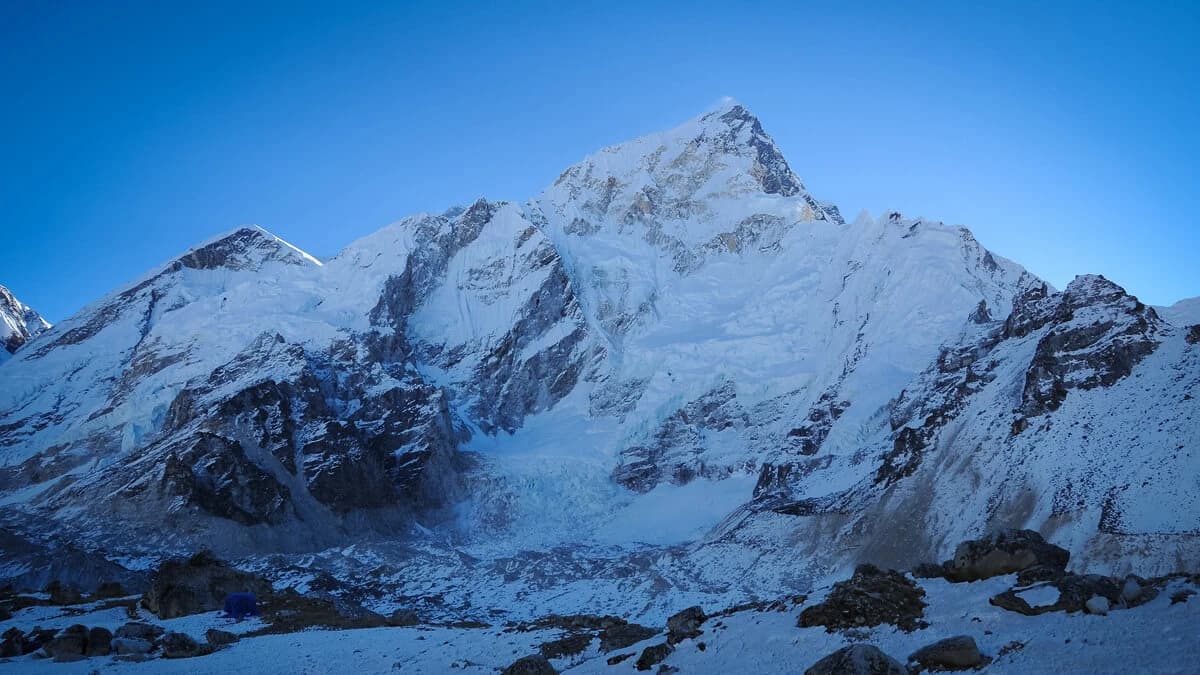
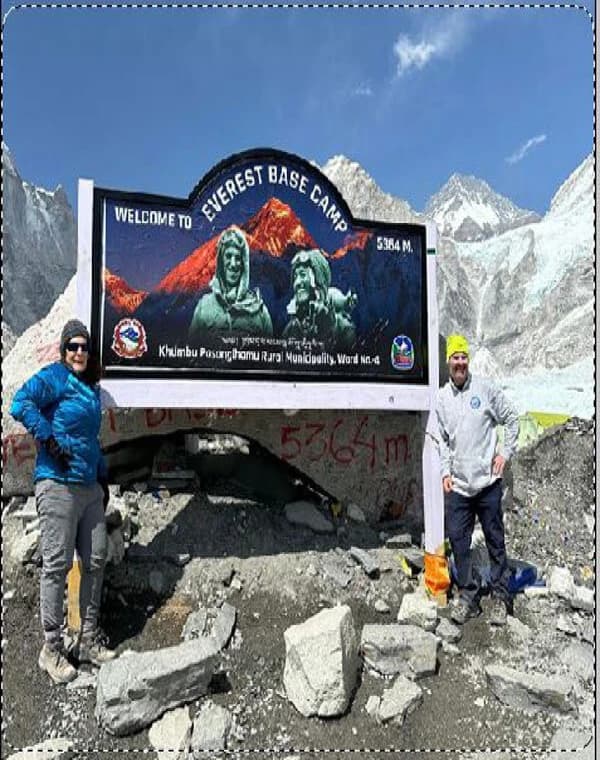
The trek takes you to Everest Base Camp (5,364 m), where the mountains surround you from every side. To see Mount Everest itself, you hike up Kala Patthar (5,550 m), which gives the best view of Everest and the nearby peaks like Lhotse, Ama Dablam, Cho Oyu, and Pumori. You can’t see the summit from Base Camp, but Kala Patthar makes up for it with the most epic mountain views.

As you move through the Everest region, every day brings a new surprise. You will pass Sherpa villages where kids laugh and dogs run along the trail, stop at tiny teahouses to drink hot tea and swap stories with other trekkers, and see yaks carrying heavy loads like it is the most normal thing in the world. The mountains surround you on every side, and every turn gives a new view that makes you stop and just take it all in. That is what makes the Everest Base Camp trek different from others. Join our team and find out what an adventure in Nepalese Himalayas looks like.

Here are the some of the Major highlights of EBC Trek

  • Fly to Lukla and start the trek with stunning mountain views right from the start
  • Explore Namche Bazaar with its lively markets, colorful prayer flags, and valley views
  • Visit Tengboche Monastery and enjoy the peaceful surroundings with Ama Dablam in the background
  • Trek through Dingboche and Lobuche, passing various landscapes and quiet trails
  • Stand at Everest Base Camp and take in the incredible scenery of the surrounding peaks
  • Hike up Kala Patthar for amazing views of Mount Everest, Lhotse, and Ama Dablam
  • Pass through Sherpa villages with traditional houses, prayer flags, and small teahouses along the way
  • Return through Namche Bazaar and Phakding while enjoying the mountains from a new perspective

Everest Base Camp Trek Cost 

The cost of the Everest Base Camp trek depends on a few things, and the longer the itinerary the higher the cost. How many guides or porters you hire, the permits, transportation, accommodation, and extra services all add up. The good news is that this is mostly a tea house trek, so you only need a professional guide and don’t have to spend on unnecessary extras.

With Nepal Trekking Routes, a 15-day trek costs around USD 1300, which covers guides, permits, cozy tea house stays, and meals along the trail. It’s a small price for an adventure of a lifetime surrounded by the world’s highest mountains.

Everest Base Camps: South vs North

Most people might not know, but Mount Everest has two base camps, one in Nepal and one in Tibet, and each gives a unique experience.

Everest South Base Camp (Nepal)

The South Base Camp is at 5,364 meters and is the most popular for trekking. You do not need mountaineering skills to reach it. The trail goes through Sherpa villages like Namche Bazaar, Tengboche, Dingboche, and Gorak Shep. Along the way, you will see yaks, monasteries, prayer flags, and beautiful mountains inside Sagarmatha National Park. Many trekkers climb Kala Patthar at 5,550 meters for sunrise views of Mount Everest, Lhotse, and Ama Dablam. Small teahouses provide simple meals and rest, making the trek enjoyable and safe.

Everest North Base Camp (Tibet)

The North Base Camp is at 5,150 meters and is mainly reached by vehicle from Lhasa or Shigatse. The journey crosses the wide Tibetan Plateau and passes remote towns. You will also visit Rongbuk Monastery, one of the highest monasteries in the world. From here, the north face of Everest rises straight above the plateau. This side is quieter, perfect for sightseeing and photography, and requires special permits to visit.

How to Begin EBC Trekking?

To do the epic trek to Everest Base Camp, you need to fly from Kathmandu to Lukla. The 30-minute flight gives you the best aerial view of the Everest region. The lush valleys, dense forests, and snow-capped peaks come into your sight. From Lukla, Tenzing Hillary Airport, you formally begin this trek through the Sherpa villages near Sagarmatha National Park.

Phakding, Namche Bazaar, Tengboche, Dingboche, Lobuche, and Gorakshep are the stopovers. All these places have hotels and lodges that serve basic facilities of food and accommodation.

Gorakshep is the last settlement area before the base camp, and it used to be the original base camp till the 1953 Everest Expedition. You spend a night at this village because it is the transition between EBC and Kalapatthar. This is the highest place on Earth that one can go without any permit or cost.

After getting the lifelong experience of reaching the base camp of Mount Everest, you trek down to Pheriche. After the next two days (Namche Bazaar and Lukla), you fly back to Kathmandu enjoying the aerial view of the soaring peaks.

What is the best Everest Trekking itinerary?

The best EBC trekking itinerary is a plan for the journey, including the route, all the activities, and the places you will visit. It helps with budgeting, organizing, and planning for what you want to do while trekking. It provides information to the trekkers as a guidebook and ensures a smooth trip. 

The 5 components of the best EBC trekking itinerary are Destination, Structured daily plan, Major attractions and activities, Transportation and accommodation options, and Acclimatization.

Here are five advantages of the best Everest Base Camp trekking itinerary:

  • Maximizes your time: A 15-day EBC trekking itinerary ensures you can manage your time. It includes your travel time to certain destinations with the flexibility to adjust to unforeseen circumstances like weather conditions or traffic.
  • Manage your expenses: you can estimate the cost of your travel beforehand. Knowing how much you are going to spend makes it easier to plan your budget.
  • Easier and faster travel from one point to another: You must remember you can’t wander off to see all the sights. You must either visit attractions that are near or travel in one direction.
  • Helps in prioritizing your wants: The itinerary will help you prioritize the attractions, so you do not miss out on what you really want to see.
  • Trekking essentials are not forgotten: An EBC trekking itinerary includes the essentials you will need while trekking. As you are doing multi-day trekking, your itinerary includes what to bring, clothes to wear, trekking gear, and emergency numbers. 

Although EBC trekking itineraries are available on the internet, it is best that you contact reputed local trekking agencies like Nepal Trekking Routes. We can provide you with essential information, book your travel needs with ease, make sure that everything is in order, and ensure a seamless trekking experience. 

Everest Base Camp Trek Package 

There are a few different Everest Base Camp trek packages to choose from depending on your style and budget. Standard packages are the most common and include a professional guide, porter, tea house accommodation, meals, permits, and flights to Lukla. These are ideal for trekkers who want a well organized trek without worrying about logistics and simply focus on the mountain views and the journey itself.

For those who want extra comfort, luxury or premium packages offer better rooms, private bathrooms where available, upgraded meals, and sometimes helicopter options. Budget or independent packages suit travelers who prefer to keep costs lower while still having a guide or porter for support. In the end, it all comes down to how you want to experience the Everest Base Camp trek and what level of comfort feels right for you.

Who is the Everest Base Camp Trek suitable for?

The Everest Base Camp trek is for anyone who loves being out in the mountains and doesn’t mind a little adventure. You don’t need to be a climber, but it helps to be reasonably fit since you’ll be walking a lot at high altitude. It’s great for first timers who want to see the Himalayas up close, and also for experienced hikers chasing epic views and a bit of local culture. Friends, solo travelers, or families with teens can all have a blast. If you enjoy amazing mountain scenery, cozy tea houses, and getting a feel for Sherpa life, this trek is right up your alley.

What can Travelers expect from this Everest Region trek?

If you think trekking to Everest is just long walks and cold nights, think again. On this trail, you might be sipping tea in a tiny mountain hut one moment and spotting a yak crossing the path the next. Villagers wave from their homes, prayer flags wave in the wind, and monasteries appear settled between the mountains like hidden treasures.

And then comes the real magic when you finally reach Everest Base Camp and climb Kala Patthar to see Everest, Lhotse, and Ama Dablam shining above you. This trek is full of small surprises, incredible views, and moments that you will remember for a lifetime.

Why choose Nepal Trekking Routes for your EBC journey?

Choosing Nepal Trekking Routes for your Everest Base Camp trek means you are in good hands. We know the trails, the villages, and the best spots for amazing mountain views. Our guides are friendly, experienced, and love sharing stories about the mountains and local culture. We handle all the permits, tea house stays, and logistics so you can just enjoy the trek and the scenery. With Nepal Trekking Routes, your Everest Base Camp adventure is easy, fun, and full of moments you will never forget. So without any delay, book your journey with us now. 

Itinerary

This is a 15-day Everest Base Camp trek itinerary that takes you from Kathmandu to the heart of the Himalayas. You start with a short stay in Kathmandu for sightseeing and trek preparation, then fly to Lukla to begin walking through mountain villages and beautiful landscapes.

The trek passes through famous stops like Namche Bazaar and Tengboche Monastery, and includes high altitude highlights such as Everest Base Camp and Kala Patthar, where you get incredible views of Mount Everest and nearby peaks. Along the way, you will also see traditional Sherpa villages, prayer flags, and snowy mountains that make this trek so memorable.

Nepal Trekking Routes can customize this itinerary to match your pace, interests, or schedule. You can add rest days, extra sightseeing, or adjust the route to make your Everest adventure comfortable and unforgettable. 

Trip PlanExpand All

Reception at the Kathmandu by the representative of Nepal Trekking Routes on the arrival day. Then, transfer to the hotel booked for your lodgings. After becoming fresh, you can visit the nearby areas from the hotel.

Accommodation: Hotel Kailash Kutee

After breakfast, the tour guide takes you around the UNESCO World Heritage Sites of the Kathmandu Valley. Patan Durbar Square, Swayambhunath Stupa (the Monkey Temple), Pashupatinath Temple and Bouddhanath Stupa will be visited. In case of mutual understanding, you may also visit other sites: Hanuman Dhoka Durbar Square, Bhaktpaur Durbar Square and Changunarayan Temple as well. In the evening, the trekking guide gives you briefing about Everest Base Camp trek itinerary.

Meals: BreakfastAccommodation: Hotel Kailash Kutee

After breakfast, the private jeep transfers you to Kathmandu Airport. In a morning flight, you fly from Kathmandu to Lukla, Tenzing Hillary Airport. During the 30-minute flight, you have an aerial view of the snowcapped peaks and wonderful landscapes. The mountains from the Manaslu region to the Kanchenjunga region come into your sight in this journey.

After landing at Lukla, the gateway to EBC trek, you move forwards through pine, cedar, and rhododendron forests. You have to cross Cheplung Village from where you can enjoy Mt. Khumbila (5,761m). Along the Dudh Koshi River Valley, you measure the trekking trails up to Phakding.

Max Altitude: 2660 M Meals: B.L.D.Accommodation: Hotel SherpaDuration: 3hrsDistance: 13 KM
Taking a flight from Kathmandu to Lukla is an exhilarating experience. The journey begins from Kathmandu Domestic airport with flights usually operated by small aircraft such as Dornier or Twin Otter planes. The flight time is around 30 minutes offering breathtaking view of Himalayas. Lukla airport known as Tenzing-Hilary airport, one of the dangerous airports in the world is renowned for its challenging terrain and short runway. This is popular trekking starting point of Everest base camp trek. Due to the weather condition flight can be unpredictable so flexibility is essential. A helicopter flight is another option for traveling to and from Lukla, offering a more flexible and often more reliable alternative to regular flights. The cost is USD 450 per person. Helicopters can navigate through variable weather condition more effectively, reducing the delay and cancellation. Helicopter flight also provide an incredible aerial view of Himalaya landscape making the journey memorable part of your adventure

Today, you move further by following the trail that goes northwards up to the Benkar Valley. When you cross the Dudh Koshi River, the trail moves past Chumoa and Monjo Village. You get your Sagarmatha National Park Entry Permit at Monjo as it is the entrance to the highest placed national park in the world.

Then, you go across the Hillary Suspension Bridge and Jorsalle Village walking along the Dudh Koshi and the Bhote Koshi River. Afterward, walking through the steep trail going through Sagarmatha National Park, you reach Namche Bazaar. Namche Bazaar is the largest trading center of the whole Khumbu region, so it is known as the Sherpa Capital as well. The town offers you all the modern amenities like banks, ATMs, hotels, bakeries, restaurants etc.

Max Altitude: 3440M Meals: B.L.D.Accommodation: Tea HouseDuration: 6hrsDistance: 14KM

To be introduced with the climate of the high Himalayan altitude, you have a few things to do here at Namche Bazaar. You can visit the Sherpa Museum to know all about the Sherpa lifestyle, customs and costumes. Similarly, the Hall of Fame shows you the photos of Hillary and Tenzing from the 1953 Everest Expedition. Next, you can also hike to Everest View Hotel, which is the world’s highest altitude hotels. From the hotel, you can see Mt. Everest and other peaks exposed in the fullest.

Alternatively, you can visit Sagarmatha National Park to have the stunning view of Mt. Everest, Mt. Lhotse, Nuptse, Ama Dablam, Thamserku, Kongde and many more. Moreover, you can also go to Khumjung Village to observe the Hillary School and the Yeti Scalp.

Max Altitude: 3440M Meals: B.L.D.Accommodation: Hotel/Tea HouseDuration: 4-5hrsDistance: 10K

Measuring the rugged trail, you move towards Tengboche enjoying the gurgling water of the Dudh Koshi River and astounding mountain scenery. Walking through the winding track for about 5 hours taking enough rest, you reach the destination. Tengboche Village houses the largest monastery of the Solukhumbu region.

You can visit this monastery, and talk to the monks living there to get insight about Buddhist culture and tradition. When you plan Everest Base Camp trek in November, you can observe Mani Rimdu Festival, the greatest festival of the Sherpa people at this monastery premises.

Max Altitude: 3878M Meals: B.L.D.Accommodation: Hotel/Tea HouseDuration: 6hrDistance: 13KM

The trail from Tengboche to Dingboche moves across yet another suspension bridge over the Imja Khola. By crossing the trail surrounded and beautified by numerous mani stones, you reach Pangboche. Here, you can visit Pangboche Monastery, which is the oldest in the Khumbu region of its type. Moving ahead along the steep trail, you reach Dingboche, a traditional Sherpa Village of Everest region. Apart from Sherpa culture and tradition, you can relish the awe-inspiring outlook of Mt. Lhotse, Island Peak and Mt. Ama Dablam.

Max Altitude: 4250M Meals: B.L.D.Accommodation: Hotel/Tea HouseDuration: 5-6hrsDistance: 9K

This is another acclimatization day during trekking to Everest Base Camp. In the morning, you can hike to Nagarjun Hill (Nangkartshang Peak: 5,073m) if the weather is favourable. Although the trail to the peak is quite challenging, the view is really rewarding. You can have the top- to- bottom- glimpse of Mt. Ama Dablam (6,812m) from the top. In the daytime, you can stroll around the village, which is famous for a long stonewalls made in the course of collecting them during cultivating the field. You can talk to the friendly Sherpa people of this Himalayan town to know more about interesting anecdotes of their history.

Max Altitude: 4250M Meals: B.L.D.Accommodation: Hotel/Tea House

In the beginning, the trail goes across the moraine of the Khumbu Glacier, the world’s largest and highest glacier. Then, it takes you along the stone memorials of the mountaineers who lost their lives in the course of Everest region travel. Finally, you reach Lobuche Village situated at the foot of Lobuche Peak, which is a trekking peak of Nepal. To avoid altitude sickness, you need to make the travel with the slow pace. Next, you should take enough rest, drinking water and hygienic food.

Max Altitude: 4910M Meals: B.L.D.Accommodation: Hotel/Tea HouseDuration: 6HrsDistance: 12KM

This is the greatest day of the entire Everest Base Camp trek as you are reaching the most awaited place in your whole life. Comparing to the previous days, today is quite hard trekking as you have to go across the Khumbu Glacier. But the rewarding view of the snowcapped peaks all around, you can measure the trail up to Gorakshep. In fact, until the 1953 Everest Expedition, it used to be the original base camp. It is the last human settlement area of the Khumbu region closest to the base camp of Mt. Everest.

By leaving the backpack at the hotel in Gorakshep, you move towards the base camp. The trail goes past the Gorakshep Lake, once one of the largest glacial lakes in the region. Trekking for about a couple of hours, you reach the height of 5,364m, which is the closest place to from the Everest Summit. In the peak seasons, you come to meet many Everest expedition teams preparing for climbing Mt. Everest.

From the base camp, you have the spectacular vistas of Mt. Lhotse, Mt. Cho Oyu, Mt. Nuptse, Mt. Pumori, Mt. Ama Dablam and many more except Mt. Everest. The appearance of the Khumbu Glacier and the Khumbu Icefall are spellbinding from this height. After enjoying the lively peaks gazing at one another, you climb down to Gorakshep for the night rest.

Max Altitude: 5178M, 5364M Meals: B.L.D.Accommodation: Hotel/Tea HouseDuration: 8HrsDistance: 14KM

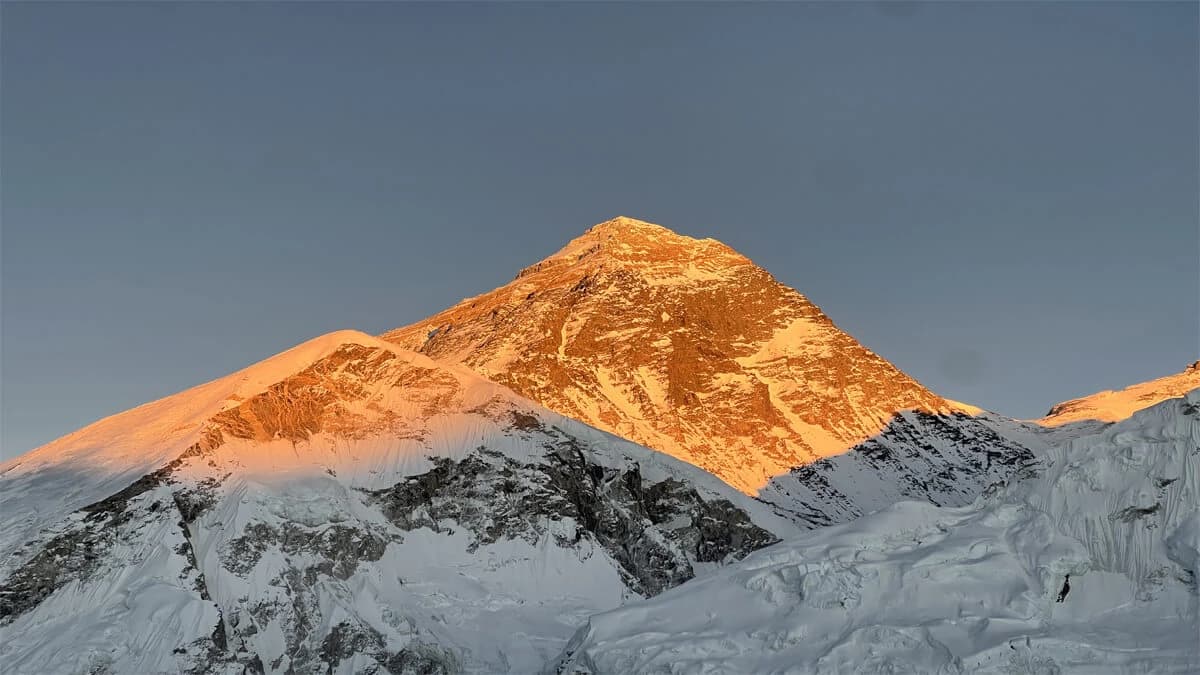
Although it is the hardest day, it is equally rewarding as well. Early in the morning, you need to set off towards Kala Patthar, the best vantage point of Everest region. You need to reach this destination before the sun rises to have the Great Himalayas in golden colour. All the mountains of the Khumbu Himalayan Range are found looming from left to right.

Watching the Everest Summit glittering in the early sunrays is beyond description perhaps! You can shoot as many photos or videos as you can by keeping the Great Himalayas on the background. The photos and videos will remain as the lifelong testimonials that you have at least once been to the highest place close to Mt. Everest!

Then, you descend down to Gorakshep and have your breakfast. Finally, you descend to Periche for the night station.

Max Altitude: 4250M Meals: B.L.D.Accommodation: HotelDuration: 7HrsDistance: 15KM
Helicopter Flying back to Kathmandu via Lukla after completion of memorable trek to Everest base camp instead of walking downhill to Lukla. Helicopter return is available with us. Helicopter return flight reminds you breathtaking views with sense of accomplishment. The journey begins with helicopter ride from Gorekshep nestled in the Everest region offering stunning vistas of the Himalayan Peak. So helicopter return flight cost is USD 1200 PP.

After breakfast, you begin the retreat journey towards Namche Bazaar by crossing Tengboche and many other Sherpa villages far behind. Enjoying the splendid view of the Himalayas and pine, fir and rhododendron forests of Sagarmatha National Park, you arrive the Sherpa Capital. Here, you can celebrate the successful completion of Everest Base Camp trek.

Max Altitude: 3440M Meals: B.L.D.Accommodation: HotelDuration: 8HrsDistance: 20KM

By following the trail and enjoying the vistas you did a few days earlier, you move downhill to Lukla. You spend the night at this small Sherpa town from where the trek began. This is the last day of trekking package this season, so enjoy the panoramic view as much as you can.

Max Altitude: 2820M Meals: B.L.D.Accommodation: HotelDuration: 8HrsDistance: 25KM

After having breakfast, you fly back to Kathmandu from Lukla by enjoying the aerial view of Everest region once more this season. When the plane lands at the Kathmandu Airport, you will be relocated at the hotel. In the daytime, you can again visit the remaining time around the Kathmandu Valley. In the evening, the agency organizes a farewell dinner as a part of hospitality. You will really enjoy eating at a cultural restaurant around the tourist hub, Thamel.

Max Altitude: 1450M Meals: B.DAccommodation: HotelDuration: 30M

Time to go home and tell your friends and family of the fun and adventure had on your trek in Nepal. Or, you could extend your trip. We can arrange many other tours and trips for you, such as: Chitwan Jungle Safari, River Rafting Adventure, Scenic Flight, Cycling or even another trek in a different region. Nepal Trekking Routes would be both pleased and honored to be at your service.

Meals: B
Plan An Amazing Private and Tailor-Made HolidaysNot satisficed with this itinerary? Share your idea with our travel Expert. We make your dream come true.
Customize Trip
Cost Details
Includes

Transport Service

  • Round-trip airport transfer (Domestic and International)
  • Kathmandu sightseeing by Comfortable Private vehicle
  • Kathmandu to Ramechhap Round Trip Sharing Mini bus service

Hotel Accommodation 

  • Hotel Kailash Kutee in Kathmandu 3 nights with twin sharing basis in BB plan
  • Basic Tea House Accommodation during the Trek

Tour/Trekking Guide & Porter

  • Government certifide Tour Guide during the Heritage Sightseeing in Kathmandu 
  • Government certifide Trekking Guide during the Trekking 

Trekking Permits

  • All necessary trekking permits and documentation.

Flight 

  • Round Trip Domestic flight ticket from Kathmandu to Lukla & Lukla to Kathmandu or 
  • Ramechhap to Lukla and Lukla to Ramechhap

Food

  • Meals: (14 breakfasts, 11 lunches, 12 dinners)

Reward and other service

  • Achievement certificate provided by your travel company in Kathmandu
  • Arrangement of Emergency Helicopter service which will be paid by the Travel insurance company.
  • Medical supplies (first aid kit will be available
  • All government taxes and service charges.
Excludes
  • Personal expenses & Travel insurance
  • Heritage entry fee during the sightseeing in Kathmandu and other
  • Helpful Trekking sherpa Porter to carry your luggage (Porter avaliable on addons service)
  • All bar bills and personal expenses (phone calls, laundry service, battery recharge, bottles of water, hot water, etc.)
  • Extra hotel accommodation in Kathmandu other than mentioned in Itinerary
  • Tips for guide and porter
Route Map
Everest Base Camp Trek Map
Dates & Availability
Group joining Private Trip
Mar 2026
Apr 2026
May 2026
Jun 2026
Jul 2026
Aug 2026
Sep 2026
Oct 2026
Nov 2026
Dec 2026
Jan 2027
Feb 2027
Departure Date
Status
Price
Departure Date
Starts: March 11, 2026
Ends: March 25, 2026
Status
Guaranteed
Price
US$1300US$1550Save US$250
Book Now
Departure Date
Starts: March 15, 2026
Ends: March 29, 2026
Status
Guaranteed
Price
US$1300US$1550Save US$250
Book Now
Departure Date
Starts: March 18, 2026
Ends: April 01, 2026
Status
Guaranteed
Price
US$1300US$1550Save US$250
Book Now
Departure Date
Starts: March 22, 2026
Ends: April 05, 2026
Status
Guaranteed
Price
US$1300US$1550Save US$250
Book Now
Departure Date
Starts: March 25, 2026
Ends: April 08, 2026
Status
Guaranteed
Price
US$1300US$1550Save US$250
Book Now
Departure Date
Starts: March 29, 2026
Ends: April 12, 2026
Status
Guaranteed
Price
US$1300US$1550Save US$250
Book Now

Taking a flight from Kathmandu to Lukla is an exhilarating experience. The journey begins from Kathmandu Domestic airport with flights usually operated by small aircraft such as Dornier or Twin Otter planes.  The flight time is around 30 minutes offering breathtaking view of Himalayas? Lukla airport known as Tenzing-Hilary airport, one of the dangerous airports in the world is renowned for its challenging terrain and short runway. This is popular trekking starting point of Everest base camp trek. Due to the weather condition flight can be unpredictable so flexibility is essential. 

Those travelers who are looking for Everest base camp trek with groups. Nepal Trekking Routes offer you various fixed group departure for individuals couples families and groups of friends as well as we offer private departure as per your interest.  Please let us know what you prefer. We are here to make your Everest base camp trek remarkable. 

  • Please choose your most desirable travel date through our fixed group departure.
  • If given fixed group departure date is not suitable please scroll up the page and go through the book this trip bottom and choose your own departure date and hold your spot.
  • The size of Group would be 1 to 12 people. If Number of the people is more than 12 please contact us for special discount. 
Add-ons & Options

Nepal Trekking Routes Trek have decades of Experience of operating trekking to Everest base camp. As competition grows we are excited to offer a variety of exclusive addons to elevate your Everest base camp trek to new heights.

  • Porter with cost of USD 220: Nepal Trekking Routes experience porter will manage your gear leaving you free to absorb the Natural wonder of Everest region. 1 Porter can be shared between two person and porter can carry Maximum 25 kg between two travelers. So traveler and porter ratio is 2:1
  • Helicopter flight to Lukla at USD 450 Extra: If you have limited time for adventure to the Everest It would be best to use addones Kathmandu to Lukla Helicopter flight with cost of USD 450PP. Avoid long waits and enjoy stunning aerial views as your vacation in Everest region.

  • Helicopter Return flight from Gorekshep to Kathmandu. After reaching at Everest base camp or conquer your goal If you would love to take Helicopter flight back Kathmandu instead of walking downhill to Lukla Helicopter flight is available at Gorekshep. Helicopter Return flight is USD 1200 PP

Grab on our tailored add-ons and experience the magnificent view of Everest base camp. Book your Everest base camp adventure today and make your dream come true. Our team is always with you for make it true.

How to get Add-Ons?
It is easy method to get add ons. Please follow the guidelines. 

  • Step 1: Go through book this trip buttom.
  • Step 2: Please go through calendars and select your desirable travel date.
  • Step 3: Scroll down the page, then you will finds different variation of add ones topic. Select as per your interest 
  • Stem 4: Fill the form and click on accept term and condition 
  • Step 5: Process to payment 
Essential Information

Peak Season or Best time for the Everest base camp trek

Everest base camp trek in Spring season (March, April, and May)

Spring which spans from March to May is considered one of the best times to trek Everest Base Camp. As winter ends, temperatures start to rise gradually in spring. During the day the temperature remains moderate whereas at the nighttime the temperature remains chilly. We can expect greenery everywhere, and high-altitude forest areas covered by vibrant rhododendron flowers make the Everest base camp trekking routes mesmerizing and joyful.

During spring the tea house starts to operate at full capacity. The temperature inside the tea house remains moderate. You can find lots of trekkers on the trekking route heading for the Everest base camp trek. The clear view of the sky makes it possible to see the panoramic view of the breathtaking landscape and snow-peak mountains.

Everest base camp trek in Autumn Season (September, October, and November)

Autumn is another ideal time for trekking and climbing in Khumbu Region. Many trekkers prefer to trek in this season due to moderate temperature conditions. The temperature is neither too hot nor too cold during the day and night time. The trail path becomes busy due to the huge number of trekkers heading for the Everest base camp trek and other trekking destinations inside the Everest region.

Trekkers can enjoy clear views of the world's highest mountain, Everest, as well as other peaks such as Lhotse, Makalu, Cho Oyu, Nuptse, Pumori, Baruntse, Nirekha Peak, Ama Dablam, Kangtega, Thamserku, Mera Peak, and many more. Additionally, during the autumn season, Nepal's biggest festivals Dashain and Tihar take place. If you plan your visit then you will get the opportunity to participate in these festivals with local people.

Off-season for the Everest base camp trek

Everest base camp trek in Winter season (December, January, and February)

Trekking in the winter season is challenging due to extremely cold temperatures. The temperature at the high altitude areas can be unbearable and due to heavy snowfall, it makes the trail path icy and difficult to walk on.Trekking in the winter requires good quality and sufficient amounts of gear and clothing items. Also if you are planning for trekking in the winter then make sure to have the extra days so that you can trek when the weather starts to clear. Moreover, trekking in early December and in late February will be the best idea. 

Everest base camp trek in Monsoon season (June, July, and August)

The monsoon season, spanning from June to August, is perfect for agriculture in Nepal. However, it is considered as an off-season for trekking in Nepal. Continuous rainfall and forming of dark clouds obstruct the view of the mountain peak and beautiful landscape. It is challenging to predict weather conditions during this time. 

The risk of landslides and floods increases significantly due to heavy rainfall. Roads are often blocked, and trekking routes become muddy and slippery, posing a risk of falls and injuries to trekkers. Therefore we do not suggest trekking during the month of the Monsoon season, instead, you can choose short and easy treks like Ghorepani poon hill, and Nagarkot view trek in this season.

Everest Base Camp Trek Preparation

Before you set off on the Everest Base Camp trek, it helps to get ready both physically and mentally for the adventure. Start by building your fitness with walks, hikes, or light cardio to get your legs ready for long days on the trail. You do not need to be a pro, just being in good shape makes the trek easier and more fun.

Pack smart because the weather loves to surprise you. Warm clothes, sturdy boots, sunglasses, and a backpack with the essentials will keep you comfortable on the move. Along the way, you will meet friendly Sherpa families, spot colorful prayer flags, and rest in cozy tea houses with hot meals.

With a bit of preparation, every step of the trek becomes an experience you will laugh about, talk about, and never forget. The mountains have a way of making every day feel like a little adventure.

Lukla Flight Information

Kathmandu to Lukla Flight

Lukla is the main gateway for the Everest Base Camp trek. The airport there is small and surrounded by mountains, which makes it famous for being challenging, but the flights are regular and safe with experienced pilots. The flight from Kathmandu to Lukla takes about 25 to 30 minutes, and it offers stunning views of the Himalayas as you approach the mountains.

Ramechhap to Lukla Flight

In recent years, most flights to Lukla during peak trekking seasons in spring and autumn now depart from Ramechhap Airport instead of Kathmandu to reduce congestion. To get there, trekkers usually travel by road from Kathmandu, which can take a few hours. From Ramechhap, the flight to Lukla takes around the same time and gives you the same spectacular mountain approach.

Currency for Everest Base Camp Trek

The main currency used on the Everest Base Camp trek is the Nepalese Rupee. Even though most of your meals and accommodation are included in the trekking package, you will still need some cash for small extras. Things like snacks, hot drinks, souvenirs, or tips for your guide and porter are usually paid in Nepali Rupees. It’s a good idea to carry enough cash before heading into remote villages since ATMs are limited along the trail.

Hot Shower on the Everest Base Camp Trek Routes

During the Everest Base Camp trekking journey, trekkers have access to hot shower facilities. Up until Namche Bazaar, tea houses or guest houses offer options for luxury single rooms with attached bathrooms that include hot showers. For standard rooms, shared bathroom facilities are available where local tea houses provide hot showers using solar panels, gas, or electricity.

Above the Namche Bazar, there might not be a luxurious room but recently the tea houses are getting modern so stay updated with us for the latest information. Trekkers don’t need to pay an extra cost for the hot shower while booking the luxurious room. 

However, in the standard room trekkers need to pay the extra cost for the hot shower which will cost you around 2$ - 5 $ depending upon the altitude and tea house.

Note: Trekkers can also book the luxury Everest base camp trek that includes all the luxurious facilities.

Drinking water facilities on the Everest Base Camp Trek

Safe drinking water is easily available during the Everest base camp trek. Trekkers can buy bottled water from the tea house/ guest house or shop on the trekking route. This bottled water is a little more expensive than what you can find in the low-altitude area.

Even though trekkers can buy bottled water easily, to minimize the impact on the environment and to preserve the beauty of the Khumbu region we suggest trekkers carry reusable water bottles and water purification tablets with them. You can refill your bottle easily with tap water.

WiFi or Internet on Everest Base Camp Trail

The Everest Base Camp trek is Nepal's and indeed one of the world's most popular trekking destinations. All the tea houses where you stay during the trek provide internet or WiFi facilities. In some places, you may find free WiFi, but the connection might not be good. 

You can access this WiFi inside the tea house, but you need to pay around $1-2 per hour to use the WiFi. Alternatively, you can use local SIM cards like Ncell or NTC for mobile internet connection and communication which offers 3G connectivity. You can purchase the local sim from the shops or while arriving at the Tribhuvan International Airport.

Meals on Everest Base Camp Trek

On the Everest Base Camp trek, meals are mostly enjoyed in the cozy tea houses along the trail. A famous phrase among trekkers is “dal bhat power 24 hour” and it is true. This classic Nepali dish of rice, lentils, and vegetables or meat gives you long-lasting energy for the long days of trekking. You will also find other Nepali favorites like momos and soups as well as simple Western options like pasta, pancakes, and omelets.

Most trekking packages include breakfast, lunch, and dinner so you only need extra cash for snacks, tea, coffee, or small treats along the way. The meals are simple, warm, and comforting and enjoying dal bhat in the Himalayas is a truly authentic experience that keeps trekkers fueled and ready for the next adventure.

Accommodation on the Everest Base Camp Trek

When you trek to Everest Base Camp, your “hotel” changes every few days and comes with some of the best views in the world. You will stay in cozy tea houses run by local families, each with its own charm. The rooms are simple with warm blankets and enough comfort to recharge after a long day on the trail. Higher up the mountains, the facilities become more basic but that only adds to the adventure.

Tea houses are also a great place to relax, enjoy a hot meal, and meet other trekkers sharing stories from the trail. You can watch the mountains from right outside your window and see how Sherpa families live. Staying in these lodges is more than just having a place to sleep it is a key part of the Everest Base Camp experience and gives the trek a warm and welcoming feel.

Fitness Required for Everest Base Camp Trek

The Everest Base Camp trek is not technical, but it does require good stamina. You will be walking five to seven hours most days, often uphill and at high altitude. The higher you go, the thinner the air feels, so being reasonably fit makes the whole experience much more enjoyable.

You do not need to be super athletic. If you can comfortably walk long distances, climb stairs without struggling, and stay active for several hours, you are on the right track. A few weeks of regular walking, light hiking, or cardio before the trek will prepare your body well.

With average fitness, a positive mindset, and proper acclimatization, most people can complete the Everest Base Camp trek successfully. The key is to go at a steady pace and listen to your body along the way.

Altitude Sickness during the EBC Trek

Altitude sickness which is also known as acute mountain sickness (AMS) is a major concern for the trekkers trekking to the Everest base camp trek. The trekking journey of EBC starts from Lukla( Tenzing Hillary airport) at an altitude of 2,846 m then it takes you to the maximum altitude of Kala Patthar which is situated at 5,545 m.

Due to the altitude gain when reaching your dream destination Everest Base Camp (5,364 meters) and the iconic viewpoint of Mount Everest, Kala Patthar, there is a high risk of altitude sickness. This occurs when the body does not acclimatize adequately to the lower oxygen levels at high altitudes.

Early symptoms are usually mild and feel a bit like the flu. You might have a headache, feel dizzy, lose your appetite, feel tired, or have trouble sleeping. Some people also feel short of breath or slightly nauseous.

If symptoms get worse, it can become serious. Severe headache, vomiting, confusion, difficulty walking straight, or extreme breathlessness are warning signs. If this happens, it is important to inform your guide and descend to a lower altitude as soon as possible.

Preventive measures to avoid altitude sickness on Everest base camp trek 

The most important rule on the Everest Base Camp trek is simple. Go slow. Your body needs time to adjust to the height, so follow an itinerary that includes proper acclimatization days. Do not rush, even if you feel strong. A steady pace is always better than a fast one.

Drink plenty of water every day and eat your meals regularly. Staying hydrated and well fed helps your body cope with the thinner air. It is also best to avoid alcohol at higher altitudes since it can make symptoms worse.

Pay attention to how you feel. A mild headache or tiredness can happen, but if it gets worse, tell your guide. Rest when needed and descend if symptoms become serious. Preparing well, walking slowly, and listening to your body are the best ways to stay safe on the trek.

Travel Insurance during the trek

Travel insurance might not sound exciting, but for the Everest Base Camp trek, it is a must. You will be trekking at high altitude where weather can change quickly and flights to Lukla can get delayed. Having insurance means you do not have to stress about the what ifs.

Make sure your policy covers high altitude trekking, emergency medical treatment, and helicopter evacuation. Regular travel insurance does not always include mountain trekking, so double check the details before you fly to Nepal. Once you are covered, you can relax and focus on the fun part of the journey. 

Everest Base Camp Trekking Difficulty

The Everest Base Camp trek difficulty level is moderate, which means it is challenging but achievable for most fit travelers. It is a high altitude trek in Nepal, not a mountain climbing expedition, so you do not need technical skills. However, you will walk about five to seven hours a day on rocky trails, uphill paths, and uneven ground.

The biggest challenge on the Everest Base Camp trek is altitude. As you gain elevation above 3,000 meters, the air becomes thinner and you may feel more tired than usual. Proper acclimatization, slow walking pace, and good hydration are key to completing the trek safely.

With basic fitness training, mental preparation, and a well planned Everest Base Camp itinerary, most trekkers successfully reach base camp. It is demanding at times, but for those who love adventure travel in the Himalayas, it is absolutely worth it.

Guide and Crew

All our Guides and Crew members for the Everest base camp trek have extensive knowledge of trekking routes and insights into the local culture and environment. They are familiar with the terrain, weather patterns, and potential challenges along the route. They are experts in handling the risk so that trekkers will get a better trekking experience. 

The crew, including porters and support staff, will help you assist and carry your language and equipment so that you can enjoy the trek to the fullest by focusing and enjoying the journey. 

Note: There will be one senior trekking guide and depending on your group size we will provide you with additional assistant guides. For every two trekkers one porter will be assigned and their combined carrying weight should not exceed 18 kilograms. If the combined weight exceeds this limit then trekkers need to pay additional charges.

Weather Condition on the trek

While doing Everest Base Camp Trek in Monsoon Season, you have to be ready for frequent changes in weather conditions. In the monsoon season, the Everest Region remains cool in the mornings and nights while warmer in the daytime. The average temperature of the region ranges from 22ºC in the daytime to -5ºC at night. Although the weather remains unpredictable during the monsoon season, it does not rain all the time.

Rainclouds may obstruct the scenic beauty of the gorgeous Himalayas, lush valleys, and green hills in the monsoon season. However, Everest Base Camp Trek in Monsoon Season is the best time for witnessing the most pleasant scenery of the Himalayas and the skies. After the rainfalls, the skies and the surroundings look amazingly refreshing. This is the right moment everyone loves to witness at least once in a lifetime!

While in Everest Trek in Monsoon, we advise you to wear layered clothes to adjust in changing weather conditions. As it rains all of a sudden, you had better wear waterproof clothes as the outermost layer.

Trekking Trail Condition

The best time for Everest Base Camp Trekis either spring (March, April, and May) or autumn (September, October, and November).During the peak seasons of Everest Trek, the trail condition remains comparatively busy. International trekkers from all over the world prefer doing Everest Base Camp Trek in either of the peak seasons.

Trail condition is another challenge of Everest Base Camp Trek in Monsoon Season. As it frequently rains in this season, the trail remains muddy and slippery. You have to be more careful while ascending or descending through the steep trails during the monsoon season.

Next, leeches and bugs also create some kind of challenge during the Monsoon season trekking to Everest Base Camp. Most of the trails of EBC Trek lie within the Sagarmatha National Park forests. These forests remain damp with wild weeds during the monsoon season. And these insects are more active in the wet season causing more challenges to the trekkers.

Nevertheless, you can take a few precautions to fight against the challenge of leeches and bugs. Wear long-sleeved clothes and carry a handy bug repellent to get rid of these insects. Regularly check if any of these parasites are about to attack you.

Safety Measures for the Everest Base Camp Trek

The Everest Base Camp trek is generally safe, but a little care goes a long way. The main thing is to go slow and follow the acclimatization days in your itinerary. Walking at a steady pace helps your body adjust to the altitude.

Drink plenty of water, eat properly, and get enough rest each day. If you feel a bad headache, dizziness, or nausea, tell your guide right away. It is always better to speak up early than ignore the signs.

Trek with a reliable guide, wear proper warm clothing, and carry basic essentials like sunscreen and a small first aid kit. Travel insurance that covers high altitude trekking is also a smart idea. With simple precautions and common sense, you can enjoy the trek safely and confidently.

Best alternative itinerary for EBC Trek

One of the best alternatives to the Classic Everest Base Camp (EBC) trekking route is the Jiri Everest Base Camp Trek. This trek provides a unique trekking experience with fewer crowds, cultural encounters, and gradual acclimatization. It follows the footsteps of early Everest expeditions, starting from the lower hills of Jiri and gradually ascending towards Everest Base Camp.  This route extends the trek by a few days but offers a richer cultural experience and more gradual altitude gain. 

FAQs

The Everest Base Camp trek is moderately challenging. You do not need climbing skills, but you will be walking several hours a day on uneven trails and uphill paths. The main challenge is the high altitude, which can make you feel tired faster than usual. With a slow pace, proper rest days for acclimatization, and basic fitness, most healthy people can complete the trek safely and enjoyably.

Yes, It would be better to have previous trekking experienc for Everest base camp trek  but not mandatory. As there are no high Himalayan passes that need climbing gears to cross, it is not required. You have enough time for getting adjusted in the high-altitude trekking. More importantly, when you hire a professional trekking guide, you can win over this classic trek easily.

The best time for Everest Bace Camp trek is spring and autumn. The best months for this trip are February, March, April, May, September, October and November. In these months, the weather is fine with clear skies. You can have the best panoramic vistas of the entire Everest region.The EBC trek is done throughout the year except the trails are disturbed due to heavy snowfalls. The heavy snowfall occurs only in the winter season. And sometimes due to natural calamities like earthquakes, blizzards, and glacial floods, it is beyond the expectation to reach the base camp. 

Yes, you need wind/waterproof coat, pants, gloves, and boots for doing EBC Trek. In the spring and summer seasons, the lowland regions experience high temperatures in the daytime while mild in the nighttime. However, the mornings and evenings are mild. On the contrary, the temperature of autumn and winter is lower than in spring and summer.

Yes, you can customize the cost of your Everest Base Camp trek. The total price depends on the number of trekking days, the type of accommodation you choose, whether you hire a guide or porter, and your flight options to and from Lukla.

If you add extra acclimatization days, choose more comfortable lodges, or include additional services, the cost will increase. If you prefer a simpler plan with fewer extras, the overall cost can be lower. Nepal Trekking Routes can adjust the itinerary and services to match your budget and travel style.

The Everest Base Camp Trek package for solo travelers is USD $15,00-$2,000,  but it depending on services. This includes permits, guides, accommodation, meals, and transportation.

As of today, you can do teahouse trekking to all the trekking regions of Nepal. Even the basic teahouses have had latrines (toilets) although they may not have attched bathrooms. In most of the lodges, guesthouses, and teahouses, you can find bathrooms. Similarly, many teahouses also provide hot showers so that you won’t have any problem for bathing.

You know Nepali is the national tongue of Nepal. However, being it a multi-ethnic, multi-lingual, and multi-cultural nation, many people speak their mother tongues as well. However, the local people of the trekking regions of Nepal also speak English including tourists. Talking about our trekking guides, all of them have good command over English. Some of them also speak other languages such as French, Spanish, Hindi, etc.

All the guides of Nepal Trekking Routes are government-licensed, experienced, and highly-professional. They are well trained to take a proper care of the clients and provide the best services including  hospitality to the latter. They also keep an indepth knowledge on the natural and cultural heritage sites of the trekking regions. They are very good at making rapport with the clients and other colleagues as well. I assure you all that my guides are not less skillful, hospitable, caring, and professional than me.

As our agency operates private and organized trekking, we plan the trips as per the wish of our valuable clients. If you want to join others or you don’t mind others joining you, we shall do Everest Base Camp Trek in a group. Or else, you can do a private trekking in Nepal.

You have two days in Namche Bazar and Dingboche during Everest Trek. To minimize the itinerary, you can take only one day acclimatization in Namche Bazar. On this day, you can hike to Hotel Everest View (3,880m), visit the Sherpa Museum, local monastery, and Sagarmatha National Park Office, Monjo. If you want to hike a longer, you can visit the Khumjung Monastery to observe the Yeti Skull (the skull of the abominable creature).

Likewise, during Dingboche acclimatization day, you can hike to Nangkartshang peak  (5083m). It takes nearly 4 hours to reach the hilltop from where you have the breathtaking vistas of the Imja Valley and the soaring peaks including Mt. Everest (8,848.86m).

Everest Base Camp trek lies in Solukhumbu district of Eastern Nepal sharing its border with the Tibetan Autonomous Region. It is the base camp of the world’s highest peak, Mt. Everest (8,848m). This trek rewards you with the snowcapped peaks of the Everest region, Sherpa culture and tradition including flora and fauna of Sagarmatha National Park.

Yes, you will. In most of the cases, you can keep your non-trek belongings at the hotel in Kathmandu. Or, you can keep your things in our office as well.

Nepal Trekking Routes provides you an experienced porter to carry your things during the trip. In some treks like Annapurna Circuit Trek, Upper Dolpo Trek, Everest Base Camp Trek, etc., you can hire a donkey to transport your things uphill and downhill.

A porter carries up to 25 kg of weight while a donkey can carry more than that. If you want, you can carry your backpack with the emergency stuffs and kits on your own.

While bugeting for the Everest Base Camp trek, you should consider permits ($30 Sagarmatha National Park + $30 Khumbu Rural Municipality), flights to Lukla ($200–$250 one way), guides ($25–$50/day), porters ($20–$30/day), accommodation ($5–$20/night), meals ($10–$15/meal), and gear. 
The total cost is approximately $1500–$2,500, depending on services and comfort level.

Yes, of course, you can do some basic mountaineering while on Everest Base Camp Trek. There are several famous trekking peaks in Nepal that you can experience climbing them as per your comfort. Island Peak climbing, Lobuje East Peak climbing, Mera Peak climbing, etc. are some mountaineerig packages you can book with us.

On the other hand, doing mountaineering requires some skills to be learned, so it is time-consuming as well. Moreover, without the previous experience of trekking in the Himalayas and peak climbing, mountaineering may turn to be dangerous, too. Therefore, you must consult with the experts sand trainers before trying out for mountaineering.

The time you spend at the base camp of Mt. Everest depends upon the itinerary and weather during your trip. When you have to descend to Gorakshep for the night station, you spend nearly an hour or so there. And some trekkers spend the night at Everest Base Camp as well. Generally, the trekkers climb down to Gorakshep, the original base camp until the 1953 Everest Expedition so that they can go to Kala Patthar the following morning. Kala Patthar is the vantage point to have the alluring scenery of the Everest Summit.

Video Reviews
Out of the frying pan and into the freezer..

I did the Everest Base Camp, Threes Passes Trek. Since I was traveling solo my guide was able to change route to a more flexible and interesting trek. I came...

read more +
Charles Cowan - United States
13 Oct, 2025
C
Everest Base Camp Trek w/Helicopter Return

This tour was great from start to finish and Nepal Trekking Routes assisted every step of the way. Even with some flight delays and cancelations getting to Lukla everything afterward...

read more +
Gordon R - United States
15 May, 2024
G
Very satisfied customer

I recently got back from an Everest Base Camp trek with helicopter return, using Nepal Trekking Routes Pvt. Ltd. I have nothing but good things to say about the owner...

read more +
Stephen Kirwan - United States
11 May, 2024
S
20 years of Adventure
Why Travel with Nepal Trekking Routes?
We Care for Your Safety
Nepal Trekking Routes always focus on safety, and satisfaction of our valued clients. Our Trekking guides are highly experienced and trained to operate various group trekking trip in high Himalaya.
Provide Financial Protection
NTR prioritize healthy financial safety for clients, ensuring proactive safeguarding of client interest. Our commitment strengthens our role as trusted partners maintaining standards with dedication and Excellence.
100% Local Guide
100% Local Guide
Traveler looking for experience authentic insights through trekking in Nepal NTE offer your 100% local guide who help you to experience unique perspective ensuring and enriched journey customize to your interest.
Personalized Service
We always provide one guide and one porter to two guests in order to meet our standard of providing standard service. Impeccable hospitality and quality services are guaranteed while traveling with us.
Know More
You May Also Like
Annapurna Circuit Trek
16% OFF
FromUS$1005US$1550
Gokyo Lake Trek
16% OFF
FromUS$1150US$1550
Annapurna Base Camp Trek
16% OFF
FromUS$955US$1540
Book Now